
Moisture Control Experts
Moisture Free Living
We’re committed to keeping your home safe, warm, and free from damp and mould. Learn about the causes, the steps we take to prevent it, and how you can help maintain a healthy home. You’ll also find guidance on what to do if you notice any signs of damp or mould.
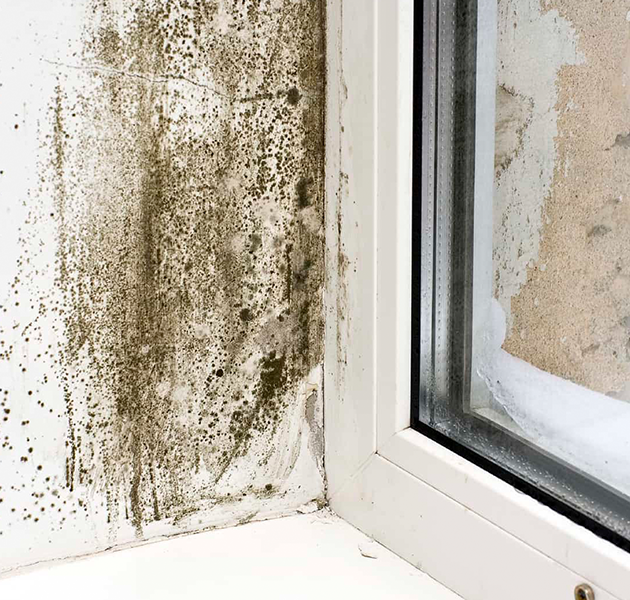
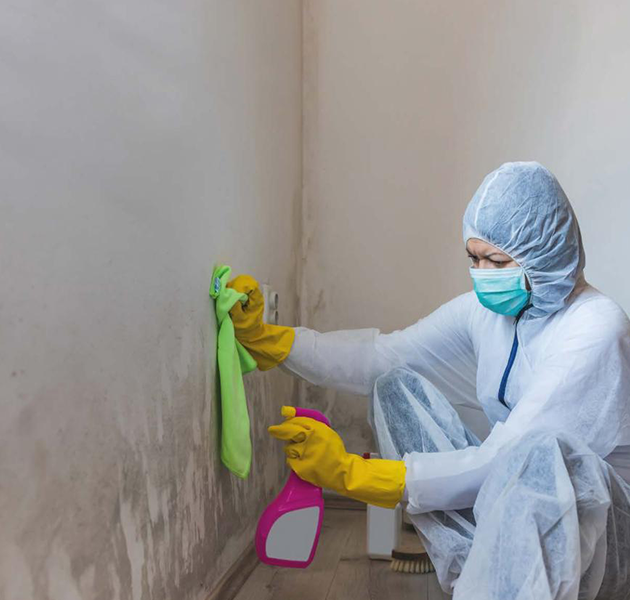
Professional Care For Properties
What should I do if I find damp,
If you have damp, mould or an increase in condensation in your home, please get in touch as soon as possible.
Tailored property guidance
What Happens After I Report Damp or Mould?
All reports of damp and mould are categorised and prioritised based on risk:
- Category 1 – Emergency hazard
- Category 2 – Significant hazard
Once we identify the cause, we’ll discuss with you what work is needed and arrange the necessary repairs.
Repairs are prioritised according to risk. If there’s a serious health risk to you or your family, we aim to act urgently. In some cases, we may need to temporarily move you to another property while the work is carried out.
We may also schedule a visit at a convenient time to inspect your home, identify the cause, and determine what work is required. Being present for appointments helps us resolve the issue faster and prevents it from worsening.
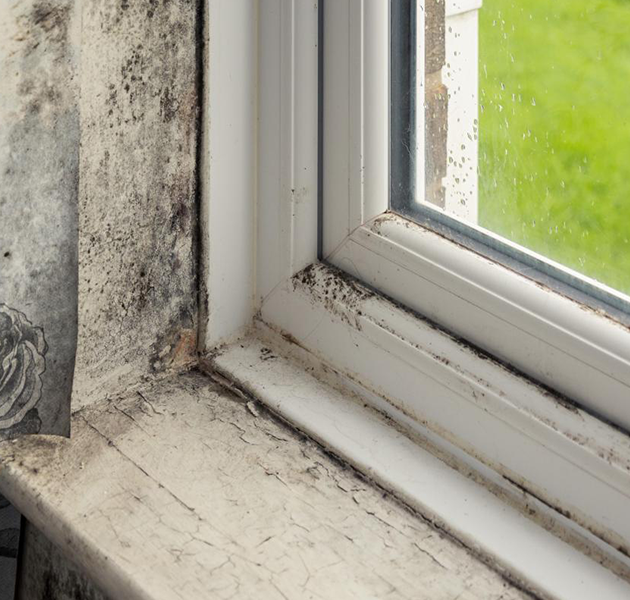
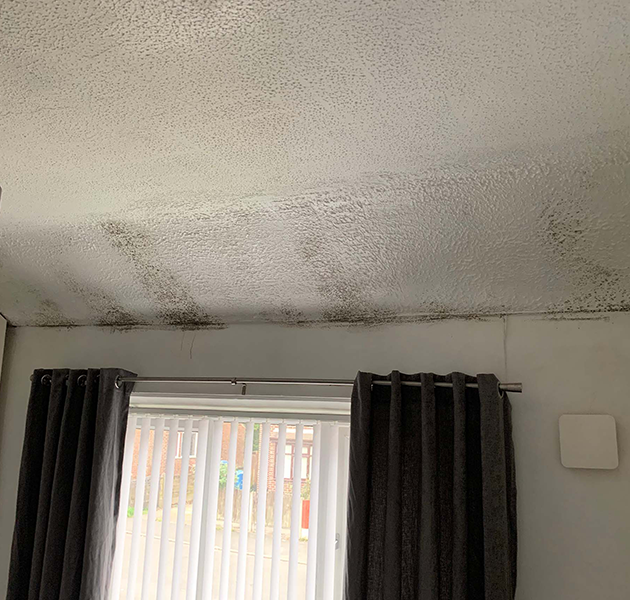
Professional Care For Properties
Possible Actions We May Take:
- Repair any structural or plumbing issues
- Improve ventilation in your home, such as installing extractor fans in kitchens or bathrooms
- Treat affected areas with mould removal products
After completing the work, we’ll follow up to ensure the damp or mould has not returned.
Tailored property guidance
Understanding Damp and Mould
What is Mould?
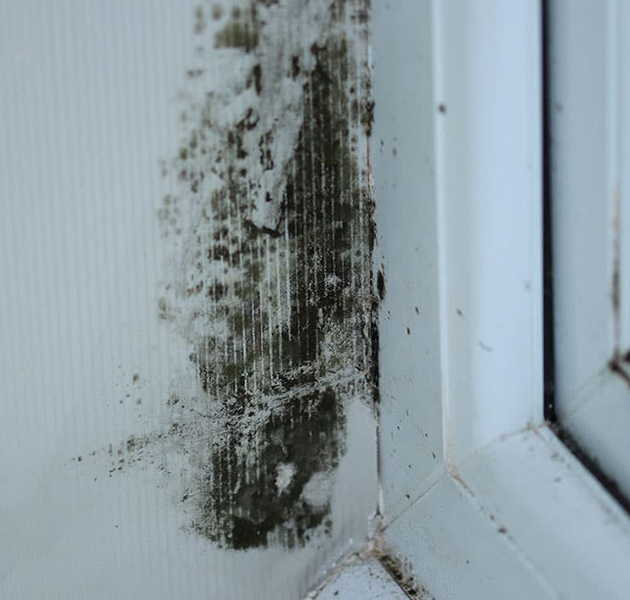
Mould is a type of fungus that grows on damp surfaces. Cold or damp homes can encourage mould growth, which may increase the risk of respiratory problems.
What is Damp?
Damp occurs when surfaces are slightly wet. It can appear on windows, walls, and furniture and can lead to mould.
Common Causes of Damp:
- Leaking pipes, overflows, or faulty plumbing
- Rain entering through missing roof tiles or slates
- Blocked gutters or damaged rainwater pipes
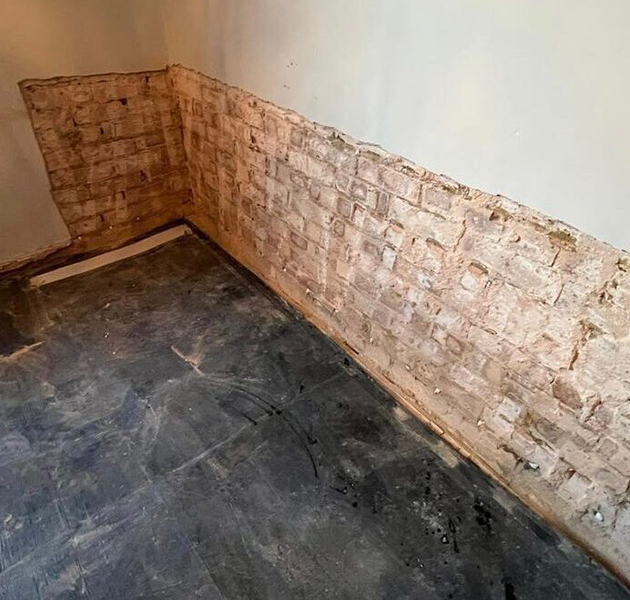
- Rising damp from issues with the damp course, often leaving a yellow tide mark on walls
What is Condensation?
Condensation is the formation of tiny water droplets when warm and cold air meet. You may notice it on mirrors, windows, or in your breath on cold days. It often appears in cupboards, wardrobes, or around windows.
Excess condensation can lead to black mould, which is harmful to health.
Professional Care For Properties
How You Can Help Prevent Damp, Condensation, and Mould
- Open windows or trickle vents to ventilate your home, especially when cooking or bathing
- Wipe down windows and sills to remove condensation
- Dry clothes outside, or indoors using a bathroom extractor fan or open window
- Keep your home warm, ideally around 18°C
- Cover pans when cooking to reduce moisture
Tailored property guidance
Awaab’s Law
Awaab’s Law is named after Awaab Ishak, a child who tragically died due to mould in his home. The law ensures social landlords act promptly when damp or mould poses a serious risk, prioritising your safety and wellbeing.
Secure Living Homes
Comfortable homes, trusted daily assistance
01
Empowered Living
We provide supported housing services offering safe accommodation, daily assistance, tailored care plans, and compassionate support to help individuals live independently with dignity, comfort, confidence, and long-term stability.
02
Property Care
We provide professional property management services, handling tenants, maintenance, inspections, and finances efficiently to ensure smooth operations, maximize rental income, and enhance long-term property value.